
What Is Tooth Scaling and Root Planing?
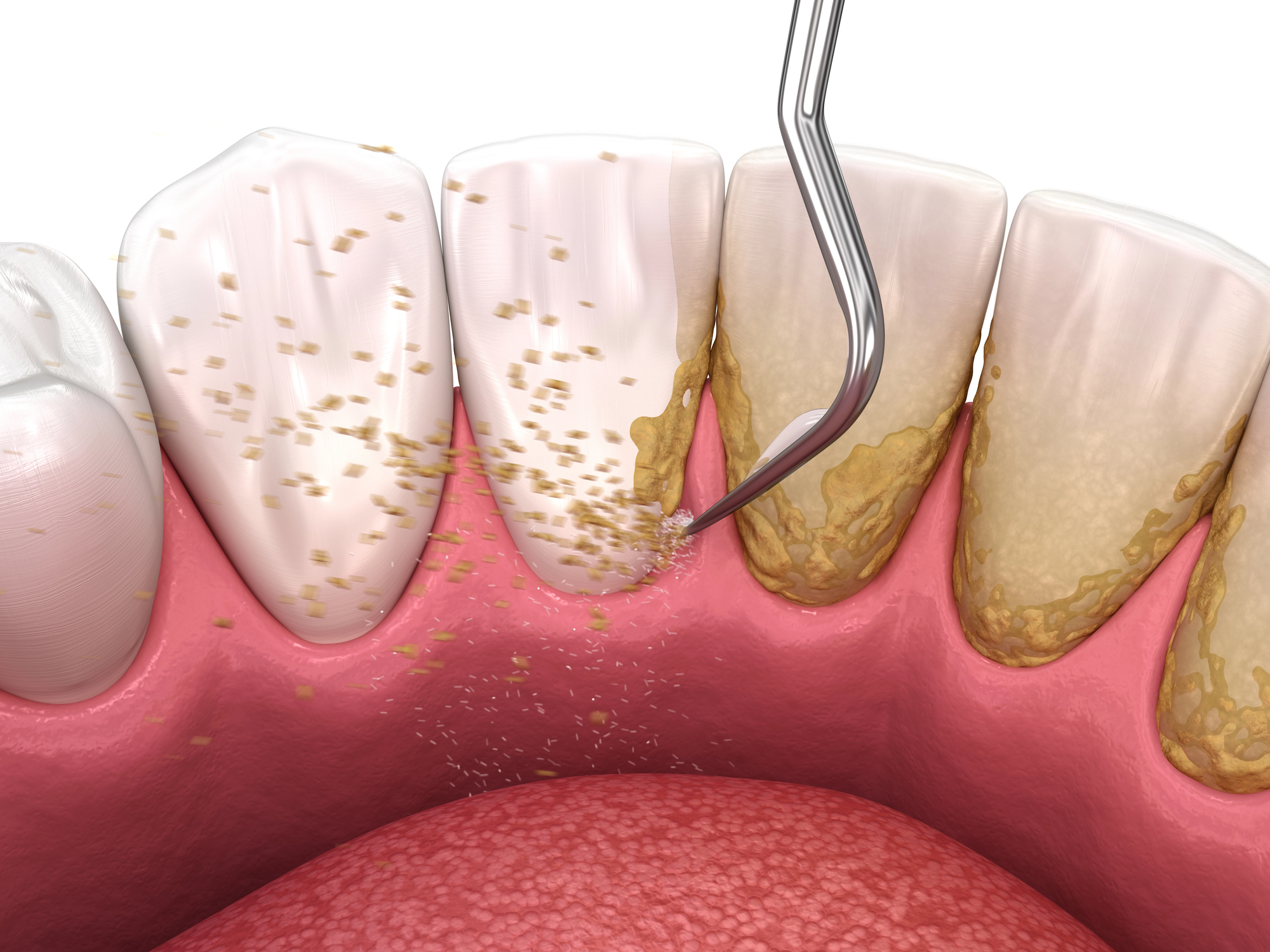
Tooth scaling and root planing is a deep cleaning procedure aimed at treating gum disease. This non-surgical treatment involves the removal of plaque, tartar, and bacteria from both above and below the gum line. By thoroughly cleaning these areas, Dr. Michael Prost helps to restore gum health and prevent further complications associated with periodontal disease.
The process consists of two main components: scaling and root planing. Scaling removes accumulated deposits on the tooth surfaces and beneath the gums, while root planing smooths out the roots of the teeth to help them reattach to healthy gum tissue. Together, these procedures play a crucial role in maintaining oral hygiene and preventing future dental issues.
Patients often seek this treatment when they notice symptoms such as swollen or bleeding gums, persistent bad breath, or loose teeth. By addressing these concerns early through effective tooth scaling and root planing, individuals can avoid more invasive treatments down the road.
What Problems Do Tooth Scaling and Root Planing Solve?
This specialized dental procedure effectively addresses several common problems related to gum disease. One major issue it tackles is gingivitis, which is characterized by inflammation and irritation of the gums. If left untreated, gingivitis can progress into periodontitis, leading to severe damage to the soft tissue and bone that support the teeth.
Another significant problem that scaling and planing resolves is the buildup of calculus (tartar) around the teeth. Calculus cannot be removed by regular brushing or flossing; therefore, professional intervention is necessary. The thorough cleaning provided during this treatment helps eliminate harmful bacteria and prevents further decay.
Additionally, patients suffering from halitosis, or chronic bad breath, may find relief through this procedure. By removing the sources of odor-producing bacteria, the mouth can return to a healthier state, promoting fresher breath and improved overall oral health.
What’s Involved in Tooth Scaling and Root Planing?
The procedure typically begins with an initial consultation where Dr. Michael Prost assesses the patient’s oral health and discusses any symptoms experienced. X-rays may also be taken to evaluate the extent of gum disease. Once a treatment plan is established, the actual cleaning process takes place.
During the scaling phase, special instruments are used to remove plaque and tartar from the tooth surfaces and below the gum line. Local anesthesia may be administered to ensure patient comfort throughout this part of the procedure. After scaling, root planing follows, smoothing out rough spots on the tooth roots to facilitate better healing and attachment of the gums.
Post-treatment care is essential for optimal recovery. Patients will receive specific instructions regarding oral hygiene practices and may need to schedule follow-up appointments to monitor their progress. Regular check-ups are crucial to maintain the results achieved through scaling and planing.
Who Is Tooth Scaling and Root Planing For?
This treatment is suitable for anyone experiencing signs of gum disease, including redness, swelling, or bleeding of the gums. Individuals who have been diagnosed with gingivitis or periodontitis should consider tooth scaling and root planing as a proactive measure to halt the progression of their condition.
Moreover, those with a history of frequent cavities or poor oral hygiene habits may benefit significantly from this deep cleaning procedure. It serves as an opportunity to reset one’s oral health and establish a routine that prioritizes preventive care. Finally, people seeking to improve their overall dental health and reduce the risk of future complications can greatly benefit from tooth scaling and root planing. By investing time in this essential treatment, patients take a vital step towards achieving long-lasting oral wellness.
What Are the Benefits of Tooth Scaling and Root Planing?
One of the primary benefits of this dental procedure is the prevention of serious gum diseases. By eliminating plaque and tartar buildup, patients can stop the progression of conditions like gingivitis and periodontitis, ultimately preserving their natural teeth.
Furthermore, tooth scaling and root planing contribute to improved oral hygiene. With cleaner teeth and gums, patients often experience fresher breath and enhanced overall health. Many individuals report feeling more confident about their smiles following treatment.
In addition to immediate benefits, this procedure promotes long-term health. By establishing a foundation for good oral hygiene, patients are less likely to face complex dental issues in the future. Regular maintenance visits combined with proper home care can lead to a lifetime of healthy smiles.
Why Is Fletcher Heights Dental Care, P.C. Uniquely Qualified to Provide Tooth Scaling and Root Planing?
Fletcher Heights Dental Care, P.C. stands out as a premier provider of tooth scaling and root planing due to its commitment to quality service and patient satisfaction. Dr. Michael Prost brings extensive expertise and a compassionate approach to every treatment, ensuring that each patient feels comfortable and informed throughout the process.
The practice emphasizes community outreach and building personal relationships with all patients. This dedication fosters trust and encourages open communication, allowing Dr. Michael Prost to tailor treatments according to individual needs and preferences.
Additionally, Fletcher Heights Dental Care offers same-day emergency dentistry, making it easier for patients to access urgent care when needed. This level of responsiveness demonstrates the practice’s commitment to comprehensive dental health and patient well-being.
Take Action Today for Your Oral Health!
If you’re searching for “tooth scaling and root planing near me,” look no further than Fletcher Heights Dental Care, P.C. Dr. Michael Prost is ready to help you achieve optimal gum health through personalized care and expert treatment. To schedule your appointment, call (623) 825-7833 or contact us today! You can also find us on Google Maps.